
This Rebar Calculator tool simplifies concrete reinforcement planning.
Whether you are pouring a concrete slab, building a footing, or estimating materials for a foundation, accurately calculating reinforcing steel is critical. Rebar plays a major role in concrete strength, crack control, and long-term durability, yet it is often misunderstood or incorrectly estimated. Ordering too little rebar can delay a project, while ordering too much wastes money and materials.
This guide explains how a professional rebar calculator works, why it matters, and how to use one correctly for slabs, footings, and pad foundations. By the end, you’ll understand not just the numbers, but the reasoning behind them — and why modern digital calculators outperform manual methods.
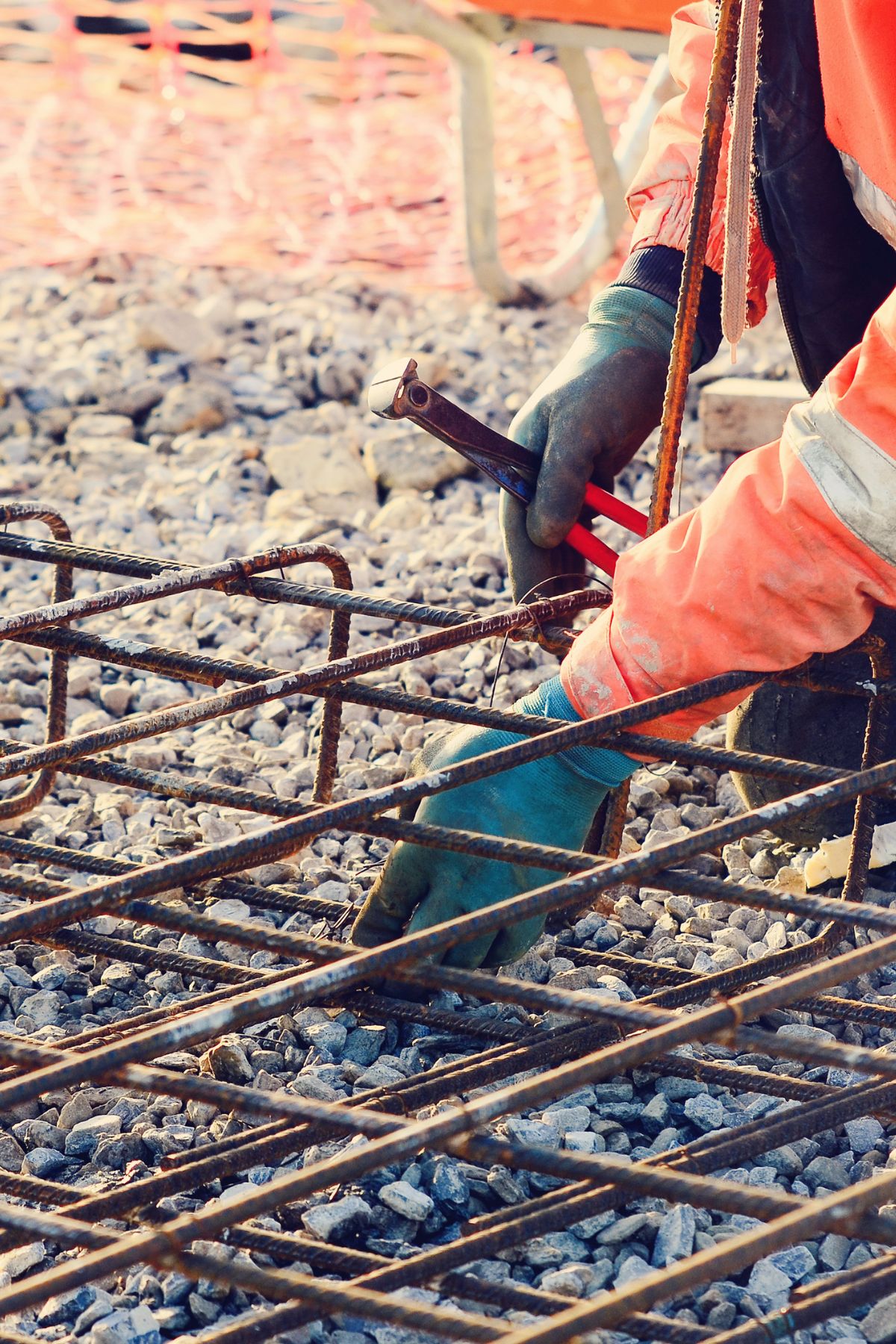
What Is Rebar and Why Does It Matter
Rebar, short for reinforcing bar, is steel reinforcement embedded in concrete to improve tensile strength. Concrete is extremely strong in compression but weak in tension. Without reinforcement, concrete slabs and foundations are prone to cracking, shifting, and failure under load.
Steel reinforcement solves this problem by absorbing tensile forces and distributing stresses across the structure. The correct amount, spacing, and placement of rebar can mean the difference between a structure that lasts decades and one that fails prematurely.
Because of this, accurate rebar planning is not optional — it is essential.
Why Manual Rebar Calculations Often Fail
Many people still rely on rough rules of thumb or hand calculations when estimating reinforcement. While this might work for very small projects, it frequently leads to errors in real-world applications.
Common problems with manual calculations include:
- Forgetting concrete cover requirements
- Miscounting bars based on spacing
- Ignoring lap splices and overlaps
- Incorrectly estimating stirrup lengths
- Forgetting waste and cutting loss
- Mixing units (inches vs feet)
A digital rebar calculator removes these risks by applying consistent formulas, unit conversions, and geometry logic every time.
What a Professional Rebar Calculator Does
A modern rebar calculator is more than a simple bar counter. It evaluates geometry, spacing rules, and steel properties to generate accurate material estimates.
At a minimum, a professional tool should calculate:
- Number of rebar bars required
- Length of each bar
- Total linear feet of rebar
- Total weight based on bar size
- Waste-adjusted quantities
Advanced calculators also include features such as lap splice allowances, concrete cover adjustments, and cost estimation.
Common Applications for a Rebar Calculator
Rebar estimation is needed for many types of concrete structures. The most common use cases include:
Concrete Slabs
Slabs for driveways, patios, garages, and basements typically use a two-way rebar grid. Calculating the correct number of bars in both directions is crucial for proper load distribution.
Continuous Footings
Strip footings support walls and foundations. These often require longitudinal bars with optional stirrups or ties. Accurate stirrup geometry depends on footing width and thickness.
Pad Footings
Isolated pad footings support columns or posts. These commonly use bottom reinforcement, and sometimes top reinforcement, arranged in a grid pattern.
A single calculator that supports all three elements saves time and reduces mistakes.
Understanding Rebar Sizes and Weights
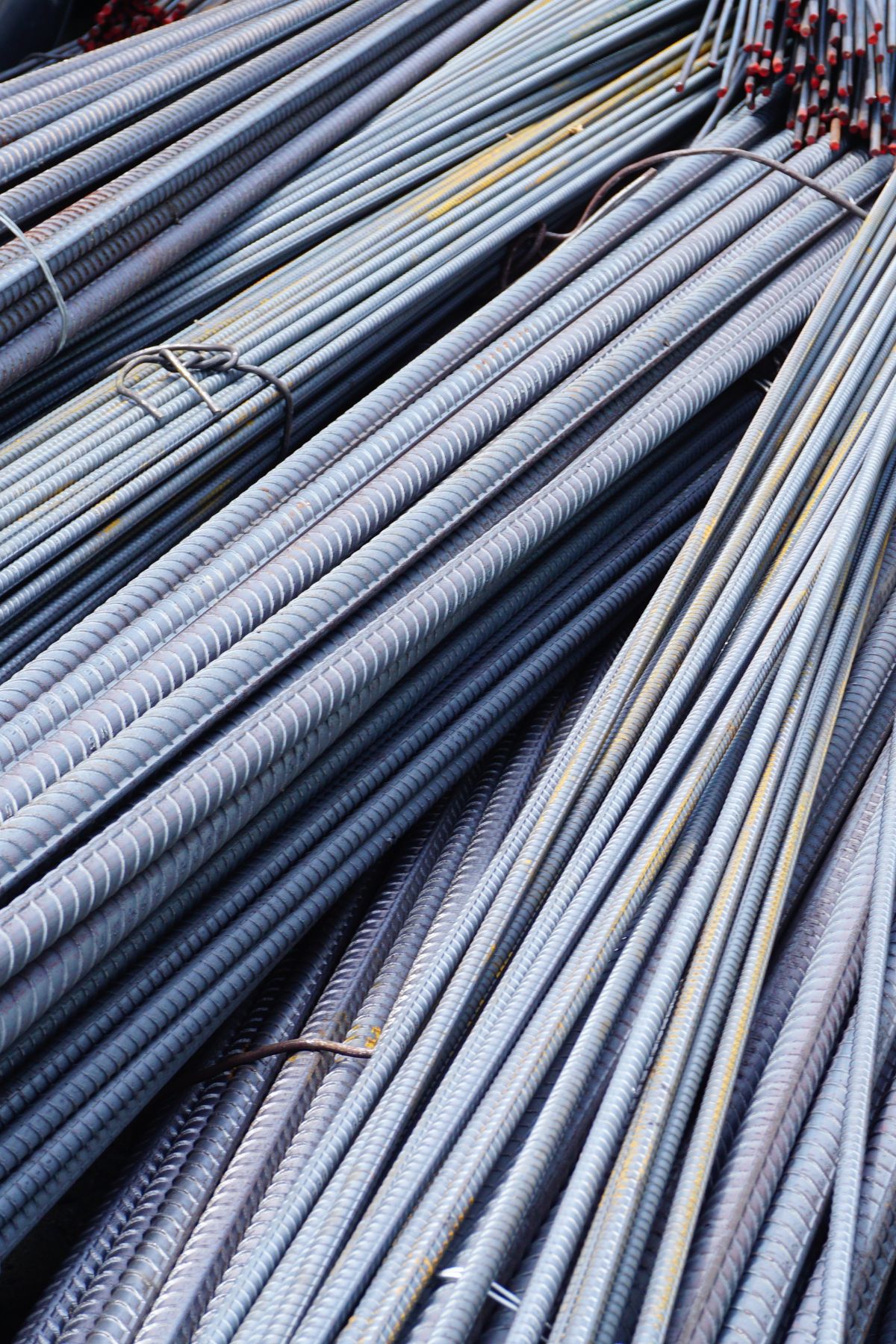
Rebar is identified by size numbers such as #3, #4, #5, and #6. These numbers relate to the nominal diameter of the bar in eighths of an inch.
For example:
- #3 rebar ≈ 3/8 inch diameter
- #4 rebar ≈ 1/2 inch diameter
- #5 rebar ≈ 5/8 inch diameter
Each size also has a standard weight per foot, which is used to calculate total steel weight and cost. A professional rebar calculator automatically applies these values so you don’t need to memorize them.
How Rebar Spacing Affects Material Quantity
Spacing is one of the most important variables in reinforcement design. Common spacings include 6 inches, 8 inches, 12 inches, and 18 inches, depending on structural requirements.
Smaller spacing:
- Increases the number of bars
- Increases total steel weight
- Improves crack control
Larger spacing:
- Reduces material cost
- May be unsuitable for heavier loads
A calculator converts spacing into bar counts by dividing the clear dimension by spacing and rounding correctly. This avoids under-estimating bars near edges, which is a common manual error.
Concrete Cover and Why It Matters
Concrete cover is the distance between the rebar and the surface of the concrete. Proper cover protects steel from corrosion, fire, and environmental damage.
Typical cover values include:
- 1.5 inches for interior slabs
- 2 inches for footings and foundations
- 3 inches for concrete cast against soil
A rebar calculator deducts cover from overall dimensions to determine the actual bar length. Without this adjustment, bar lengths will be wrong, even if spacing is correct.
Lap Splices and Overlaps Explained
Rebar is not always available in a single continuous length. When bars must be joined, they overlap by a specified distance called a lap splice.
Lap splice length depends on:
- Rebar size
- Concrete strength
- Design requirements
Many estimators forget to include lap length, resulting in under-ordering steel. A professional rebar calculator allows you to add a lap splice allowance per bar so totals reflect real-world construction practices.
Continuous Footings and Stirrup Calculations
Stirrups, also called ties, are closed rebar loops used to hold longitudinal bars in place and improve shear resistance.
Correct stirrup calculation requires:
- Footing width
- Footing thickness
- Concrete cover
- Hook allowance
Without thickness input, stirrup height cannot be calculated accurately. A professional calculator uses both width and thickness to compute the stirrup perimeter correctly, ensuring accurate cut lengths.
Waste Factor: Planning for Real-World Loss
No construction project uses exactly 100% of ordered materials. Rebar must be cut, bent, and handled, which creates waste.
A waste factor typically ranges from:
- 3% to 5% for simple projects
- 5% to 10% for complex layouts
A rebar calculator allows you to apply a waste percentage to final totals, preventing shortages during construction.
Cost Estimation Using a Rebar Calculator
Many users want more than quantities — they want costs. By combining total length or total weight with local pricing, a calculator can generate a reliable steel cost estimate.
Cost estimation can be based on:
- Price per linear foot
- Price per pound
This feature is especially useful for budgeting, bidding, and comparing design alternatives.

Who Should Use a Rebar Calculator?
This type of tool is useful for a wide range of users:
- Homeowners planning small concrete projects
- Contractors preparing material takeoffs
- Estimators creating cost projections
- Engineers performing preliminary checks
- DIY builders seeking accuracy
Because the calculator handles the math, users can focus on design and construction decisions.
While a rebar calculator is a powerful planning tool, it does not replace professional engineering judgment. Local building codes, soil conditions, and load requirements may require specific reinforcement designs.
Always consult a qualified professional for final approval of structural elements.
Conclusion
A well-designed rebar calculator turns complex reinforcement math into a clear, repeatable process. By accounting for geometry, spacing, cover, lap splices, waste, and cost, it provides realistic estimates that match how concrete is actually built.
Whether you are pouring a simple slab or detailing a continuous footing, using the right calculator helps ensure your project starts with solid planning and finishes with long-term structural performance.
If accuracy matters — and it always does in concrete construction — a professional rebar calculator is one of the most valuable tools you can use.
Is rebar harder than steel?
Rebar is not harder than steel because rebar itself is steel. The confusion usually comes from comparing rebar to other types of steel used for tools or machinery. Rebar is a specific form of steel that is engineered for structural reinforcement inside concrete, not for surface hardness or cutting resistance.
One important distinction to understand is the difference between hardness and strength. Hardness refers to a material’s resistance to scratching, denting, or surface wear and is measured using tests like Rockwell or Brinell. Strength, on the other hand, describes how much load a material can carry before it yields or breaks. Rebar is designed to be strong, but not especially hard.
Compared to other steels, rebar is intentionally made from low- to medium-carbon steel, which keeps it relatively soft and ductile. Typical reinforcing steel has a yield strength in the range of 40,000 to 60,000 psi, depending on the grade. This composition allows rebar to bend on site without cracking and to deform gradually under load rather than failing suddenly.
Structural steels used in beams and plates are often more tightly controlled and may be slightly harder than rebar, while tool steels and hardened steels are much harder still. These harder steels are heat-treated to resist wear and cutting, but they are also more brittle. That brittleness makes them unsuitable for use inside concrete.
Rebar is made softer by design because ductility is critical for safety in reinforced concrete. When concrete cracks under tension, the rebar stretches and absorbs energy, helping prevent sudden collapse. If rebar were as hard as tool steel, it would be prone to cracking during bending and could cause brittle, catastrophic structural failures.
In simple terms, rebar is steel, but it is not harder than most steels. Its lower hardness and higher ductility are intentional features that make reinforced concrete structures stronger, safer, and more reliable over time.