
An electrical load calculator is essential for homeowners, DIYers, and electricians who want to understand how much electrical capacity a home or panel can safely handle.
Electrical Load Calculator
Mode 1: Running Load (Reality Check)
Add circuits that might run at the same time (heaters, EV charger, AC, crypto miners, etc.) to estimate real-world panel loading.
Running Load Summary
Total Watts: 0 W
Leg A Load: 0 A
Leg B Load: 0 A
Worst Leg Load: 0 A
Panel Load (% of 80% recommended): 0%
Recommended max continuous load (80%): 0 A
Mode 2: NEC-Style Service Load (Simplified)
This is a simplified NEC Article 220 style calculation using common demand factors. For educational and planning use only.
General Lighting & Receptacles
Demand factor: first 10 kVA at 100%, remainder at 40%.
Major Appliances
Other Fixed Appliances
HVAC / Heat Pump
NEC Service Load Summary (Approximate)
General lighting demand (VA): 0
Total calculated load (VA): 0
Calculated service load: 0 A
As % of panel rating: 0%
As % of 80% recommended: 0%
This simple tool plays a critical role in planning renovations, adding new appliances, sizing service upgrades, and preventing overloads that could trip breakers or cause fire risks. Whether you are installing an EV charger, upgrading your HVAC system, adding a workshop in your garage, or simply trying to understand how much your main panel can support, an electrical load calculator provides the data you need to make the right decisions.
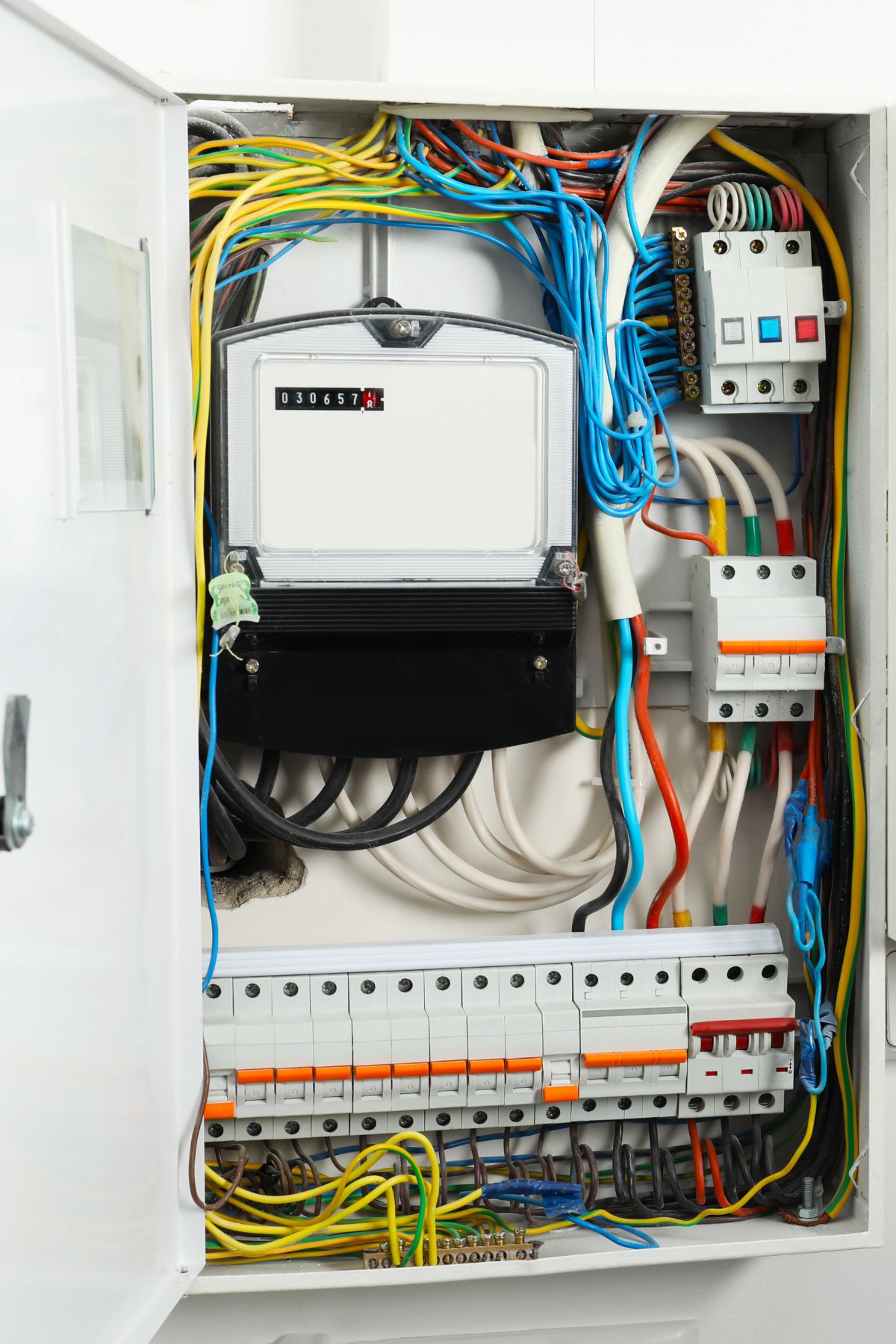
In this comprehensive guide, we explore exactly how these calculators work, what inputs they use, why NEC demand factors matter, how real-world running load differs from code calculations, and what homeowners should know before adding high-demand devices. By the end of this article, you’ll know how to use an electrical load calculator correctly and understand how electricians size electrical services under the National Electrical Code (NEC).
Why Every Homeowner Needs an Electrical Load Calculator
Modern homes have more electrical devices than ever before—EV chargers, tankless water heaters, induction ranges, high-efficiency heat pumps, pool heaters, server racks, data centers, hot tubs, woodworking tools, infrared saunas…the list keeps growing.
Yet many homes still operate on:
- 100A service (common in homes built before 1980)
- 125A service (a transitional upgrade)
- 150A or 200A service (modern standard)
When homeowners add large appliances without understanding their electrical load, they risk:
- Frequent breaker trips
- Overheating feeders
- Overloaded leg imbalance
- Inadequate service sizing
- Expensive rework later
- Service upgrade requirements they didn’t expect
An electrical load calculator helps you evaluate whether your home’s electrical system can handle the additional load before you invest in new equipment.
What an Electrical Load Calculator Actually Does
Although different calculators vary in features and accuracy, a good electrical load calculator typically performs two major types of calculations:
1. Running Load Calculation (Real-World Simultaneous Load)
This helps you understand:
“What happens if all these devices run at the same time?”
Useful when evaluating:
- Space heaters
- EV chargers
- Ovens
- Heat pumps
- HVAC units
- Crypto miners
- Welders or shop tools
- Hot tubs or saunas
This is the “reality check” approach:
Watts → Amps → % of panel rating
A good calculator also evaluates load on Leg A and Leg B of the split-phase system, identifying potential imbalance issues.
2. NEC Service Load Calculation (Code-Compliant Article 220 Method)
This is not based on adding up every watt.
It uses demand factors, which drastically reduce calculated load because the NEC assumes not all appliances operate at full power simultaneously.
A proper NEC-style electrical load calculator uses:
- General lighting demand factors
- Small appliance and laundry allowances
- Fixed appliance diversity rules
- Dryer minimum load rules
- Range load Table 220.55
- HVAC rule (largest + 65% of others)
- Actual vs nameplate ratings
This is the method used by:
- Electricians
- Electrical engineers
- Inspectors
- Local Authorities Having Jurisdiction (AHJs)
It determines whether a home needs:
- No upgrade
- A 150A upgrade
- A full 200A or 400A service
- A subpanel
- Additional feeders
How an Electrical Load Calculator Works Behind the Scenes
Let’s walk through the two main methods in detail.
Running Load (Method #1): Simple and Practical
This is the easiest to understand. It uses the real formula:
Watts = Volts × Amps
Amps = Watts ÷ Volts
If you have:
- A 240V EV charger (40A)
- A 240V oven (30A)
- A 120V space heater (12A)
- A 120V microwave (10A)
Your total potential running load is:
- EV charger: 40A
- Oven: 30A
- Heater: 12A
- Microwave: 10A
Total = 92A
On a 200A panel, that’s fine.
On a 100A panel, that’s a problem.
But smart calculators apply two additional rules:
The 80% Continuous Load Rule
Most panels and breakers must not exceed 80% continuous load for devices operating over three hours.
So on a:
- 100A panel → 80A continuous limit
- 200A panel → 160A continuous limit
If your running load exceeds 80%, a good electrical load calculator will flag this.
Leg Balancing in a 120/240V Split-Phase Panel
A real residential panel has:
- Leg A
- Leg B
120V loads are split between legs, reducing total burden.
240V loads draw from both legs equally.
A realistic calculator should show:
- Leg A amps
- Leg B amps
- Worst-case leg
This helps identify imbalance issues that can cause conductor overheating even when total load seems acceptable.
NEC Service Calculation (Method #2)
This is the method required when applying for:
- Service upgrades
- Permits
- New construction
- Major renovations
- Load expansions
It is governed by the National Electrical Code (NEC), especially Article 220.
A proper NEC electrical load calculator uses these rules:
1. General Lighting Load
NEC requires:
3 VA per square foot
So a 2,000 sq ft home = 6,000 VA.
2. Small Appliance and Laundry Circuits
NEC requires:
- Two 20A small-appliance circuits → 1,500 VA each
- One laundry circuit → 1,500 VA
Total = 4,500 VA.
3. Demand Factor for General Lighting
NEC allows major reductions:
- First 10,000 VA → 100%
- Remainder → 40%
Example:
14,500 VA total general/SA/laundry =
10,000 + (4,500 × 0.40) = 11,800 VA
4. Range Load
Ranges use NEC Table 220.55.
A standard range might only count as 8 kW, not its full nameplate.
5. Dryer Load
Dryer =
5 kW OR nameplate, whichever is greater.
6. Fixed Appliances
If you have four or more fixed appliances:
- Dishwasher
- Disposal
- Water heater
- Microwave
- Furnace blower
- Heat recovery ventilator
NEC allows:
75% demand factor
7. HVAC and Heat Pump Rule
Only the largest heating or cooling load counts at 100%,
and the rest count at 65%.
Example:
- 5 kW heat pump
- 3 kW strip heat
NEC load:
5 kW + (3 kW × 0.65) = 6.95 kW
Combining the Loads
Once all NEC loads are calculated, add them together:
Example Home:
| Category | VA |
|---|---|
| General lighting + demand | 11,800 |
| Range | 8,000 |
| Dryer | 5,000 |
| EV Charger | 9,600 |
| Fixed appliances | 1,800 |
| HVAC | 6,950 |
| Total VA | 43,150 |
Service Amps = VA ÷ 240
43,150 ÷ 240 = 180A
This home needs:
- 200A service minimum
- No immediate upgrade to 400A
A good electrical load calculator handles this automatically.

Why NEC Load Calculations Always Seem Lower Than Reality
People often panic because they add up all their breakers:
- Two 20A kitchen circuits = 40A
- Laundry = 20A
- Oven = 40A
- Dryer = 30A
- Heat pump = 30A
- Water heater = 30A
- Microwave = 15A
- Receptacles = ???
That may total over 300 amps!
But this number is meaningless.
Breakers represent maximum load—not continuous load.
NEC demand factors compute what’s likely to run simultaneously.
Your home’s true calculated demand might only be 80–120 amps even with many appliances.
That’s why NEC load calculations prevent unnecessary electrical upgrades.
Choosing the Right Type of Electrical Load Calculator
There are three types of calculators:
1. Simple Watt/Volt-Amps Calculator
Good for:
- Small loads
- Simple circuits
- Quick checks
- Calculating motor loads
- Planning shop equipment
Not good for:
- Whole-home service calculations
- NEC compliance
2. Running Load + Panel Load Calculator (Best for Homeowners)
This is the most practical for:
- EV chargers
- Heaters
- Hot tubs
- Shop tools
- Welders
- Crypto miners
It shows you what happens when everything is running at once.
3. NEC Service Calculation Calculator (Best for Permitting)
Great for:
- New builds
- Renovations
- Service upgrades
- Permit applications
- EV charger installations requiring AHJ approval
This requires demand factors and NEC methodology.

What to Look For in a Good Electrical Load Calculator
A high-quality calculator should include:
✔ Running load mode
✔ NEC demand factor mode
✔ Leg A / Leg B balancing
✔ 80% continuous load limits
✔ Demand factor presets
✔ Support for EV chargers
✔ Support for heat pumps and HVAC
✔ Range and dryer rules
✔ Fixed appliance diversity
✔ Clear status indicators
✔ Disclaimers for safe use
Most online tools do NOT include these elements, which makes them misleading.
A dual-mode approach is the safest and most useful for homeowners.
Conclusion
An electrical load calculator is one of the most important tools for planning home upgrades, preventing overloads, and ensuring a safe electrical system. With modern homes using more electricity than ever, understanding your panel capacity is no longer optional—it’s essential. Whether you are adding an EV charger, upgrading your HVAC system, installing new appliances, or renovating a home, a high-quality electrical load calculator gives you the confidence and clarity you need to make safe decisions.
By using both running load analysis and NEC demand factor calculations, you get a complete picture of your home’s electrical capacity. This dual-mode approach ensures you know how much load your panel can truly handle today—and whether a 150A, 200A, or even 400A upgrade may be necessary in the future.
If you want to avoid electrical surprises, prevent overloaded panels, and prepare your home for modern electrical demands, start with an electrical load calculator. It’s the simplest, smartest way to protect your home and plan your upgrades with confidence.