
A vehicle wrap pricing calculator is essential for anyone trying to understand how much a car, truck, van, or fleet wrap will cost.
Vehicle Wrap Pricing Calculator
Estimate professional wrap pricing with materials, labor, fleet discounts, and profit margin.
Whether you’re a business owner budgeting for branding or a shop offering professional wrap services, accurate pricing matters. And because wrap projects include many variables—vehicle size, coverage percentage, material type, print method, removal needs, design complexity, labor hours, and even local market rates—a calculator helps eliminate guesswork. In this comprehensive guide, you’ll learn exactly how vehicle wrap pricing works, why online calculators often fail, what factors most influence cost, and how to use a vehicle wrap pricing calculator to get a reliable estimate every time.
Why Vehicle Wrap Pricing Is So Confusing
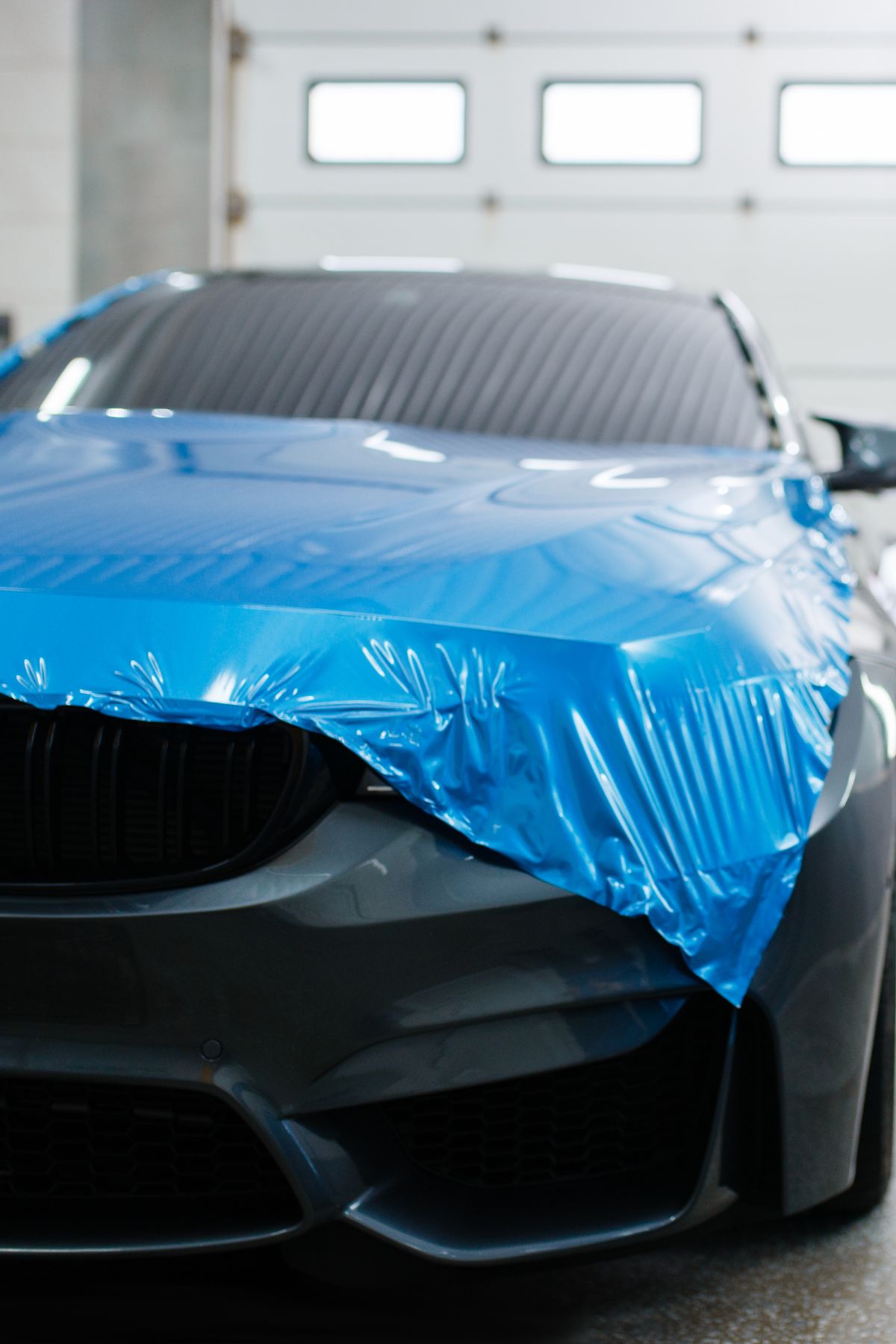
Vehicle wraps seem simple: put vinyl on a car and you’re done.
But professionals know the truth—wrap pricing is a detailed, multi-stage process involving material science, labor complexity, design skill, and installation expertise.
Here’s why wrap pricing is rarely straightforward:
▪ Vehicle shapes vary wildly
A compact sedan might require 220 square feet of vinyl, while a cargo van needs 320 sq ft or more. A box truck can exceed 380 sq ft.
▪ Coverage options make a big difference
Full wraps, partial wraps, hood/roof packages, and decal kits all have drastically different material and labor requirements.
▪ Material selection affects durability and cost
Calendared vinyl is cheap.
Cast vinyl is premium.
Chrome, textured, or color-change films are specialty products with higher difficulty levels.
▪ Printed wraps add another cost layer
Ink, lamination, print setup, and test prints all contribute to the final price.
▪ Labor is the biggest expense
Experienced installers can spend 10–20+ hours on a single vehicle, depending on complexity.
▪ Wrap removal is unpredictable
Old, baked-on vinyl may require hours of labor and adhesive removal.
▪ Local market conditions matter
Cities like Los Angeles or New York price differently than small towns.
When you combine all these factors, it becomes obvious why most quotes differ from shop to shop—and why a vehicle wrap pricing calculator is so valuable for transparency and consistency.
What a Vehicle Wrap Pricing Calculator Actually Does
A high-quality vehicle wrap pricing calculator doesn’t simply add numbers together. It simulates the real quoting process a professional wrap shop uses.
A great calculator should incorporate the following variables:
1. Vehicle Type & Size
- Sedan
- Compact Crossover
- Full-Size SUV
- Pickup Truck
- Cargo Van
- Box Truck
- Trailer
Each has a standard wrapable surface area estimation, usually between 200–400 ft².
2. Wrap Coverage Level
- Full wrap
- Partial (50–75%)
- Hood + Roof + Trunk
- Side panels only
- Custom %
Coverage determines material quantity and installer time.
3. Material Type
Different materials create different results—and different costs.
- Calendared vinyl (entry level)
- Cast vinyl (premium longevity)
- Color-change vinyl
- Chrome or metallic finishes
- Specialty textured films
- Printable vinyl + lamination
The calculator multiplies the wrap area by the cost per square foot for the selected material.
4. Print Costs
Printed wraps require:
- Ink
- Lamination film
- Print labor
- Test prints
- Machine usage
A vehicle wrap pricing calculator must include these costs separately.
5. Labor Hours & Complexity
Complexity levels usually are:
- Low
- Medium
- High
- Extreme
A Tesla Model Y bumper is more complex than a flat-panel van.
The calculator adjusts hours based on difficulty.
6. Removal Cost
Removal pricing varies depending on:
- Age of wrap
- Sun exposure
- Adhesive strength
- Paint condition
Modern calculators scale removal cost by coverage area, not full vehicle area.
7. Design Fee
Most shops charge for:
- Basic layout
- Full custom graphic wrap
- Multiple revision rounds
- 3D mockups
A calculator should include optional design tiers.
8. Regional Pricing
Labor rates vary across markets:
- Rural areas → lower cost
- Metro cities → 15–25% higher
- Premium markets → 25%+ higher
9. Fleet Discounts
Wrapping 3+ vehicles often unlocks:
- 5% discount for 3–4 vehicles
- 10% discount for 5 or more
This is built into professional pricing calculators.
10. Profit Margin
All shops must build in margin:
- 20–40% for materials
- 25–50% for labor
A transparent calculator shows the exact margin amount.
By combining all these factors, a vehicle wrap pricing calculator gives users a realistic estimate similar to what a professional installer would provide.
Benefits of Using a Vehicle Wrap Pricing Calculator
Whether you’re a customer or a shop owner, using a calculator has massive advantages.
- Accuracy Without Guesswork
Manual estimations often overlook design fees, removal difficulty, or wastage.
A calculator ensures all inputs are included.
- Fast Price Comparison
Changing material types or coverage levels instantly updates the cost.
- Consistency Across Quotes
For shops, a standardized calculator prevents undercharging or overcharging due to human error.
- Transparent Pricing
Seeing individual line items—material, labor, removal, design—builds trust.
- Great for Budgeting
Businesses can compare:
Full wrap vs partial wrap
Print vs non-print
Different material grades
- Helps Customers Understand True Value
When clients see how labor-intensive wraps are, they better understand why a wrap costs $2,000–$5,000.
- Perfect for DIY Installers
People wrapping their own vehicles can estimate material needs accurately.
How Much Does a Vehicle Wrap Typically Cost?
A high-quality wrap generally falls into these ranges:
| Vehicle Type | Typical Price Range |
|---|---|
| Sedan | $2,000 – $3,500 |
| SUV | $2,500 – $4,500 |
| Pickup | $2,500 – $4,000 |
| Cargo Van | $3,000 – $5,000 |
| Box Truck | $3,500 – $7,000 |
| Trailer | $2,000 – $4,500 |
A vehicle wrap pricing calculator helps narrow the estimate by factoring in the exact specifications.
Breakdown of a Professional-Quality Wrap Estimate
Using an advanced calculator, here’s what a sample breakdown might look like:
1. Coverage Area
265 ft² for a small SUV @ 100%
2. Vinyl Cost
- Base material: $912
- Wastage (18%): $164
- Total vinyl: $1,076
3. Print & Lamination
- Print: $398
- Lamination: $199
4. Labor
- 16 hours @ $85/hr = $1,360
5. Design Fee
- Full custom design: $450
6. Removal
- Medium difficulty: $312
7. Add-ons
- Window perf + chrome delete: $250
8. Market Adjustment
- Metro location (1.15 multiplier): +$556
9. Fleet Discount
- None for single vehicle
10. Margin
- 30% margin applied: $675
Estimated Final Price
$4,950 (rounded up to next $50)
These steps reflect what a top-tier vehicle wrap pricing calculator provides.
Why Rounding Up Matters
Most shops round their final price to a clean number:
- $3,250
- $3,500
- $4,000
It looks professional and protects profit margins.
Advanced calculators automate this by rounding the total up to the next $50 increment, ensuring shop owners never underquote.
Who Should Use a Vehicle Wrap Pricing Calculator?
Small Business Owners
Estimate branding costs before speaking to installers.
Wrap Installers
Standardize pricing and train new staff.
Print Shops
Add wrap pricing services without overhauling internal systems.
Fleet Managers
Budget wraps for multiple commercial vehicles.
DIY Installers
Calculate material needs accurately.
Marketing Agencies
Quote clients before onboarding wrap vendors.
The calculator adapts to all these use-cases.
How to Use a Vehicle Wrap Pricing Calculator Effectively
Step 1 — Select Your Vehicle Type
Choose the most accurate match for size and body style.
Step 2 — Set Your Coverage Percentage
Full wraps increase material/labor cost dramatically.
Step 3 — Choose Your Material
Premium materials last longer but cost more.
Step 4 — Decide Whether You Need Print + Lamination
Commercial wraps almost always require printing.
Step 5 — Set Complexity Level
More curves = more time.
Step 6 — Add Design Fee if Needed
Full custom designs can take many hours.
Step 7 — Include Removal if Necessary
Old vinyl is unpredictable—be honest about condition.
Step 8 — Add Add-Ons
Window perf, chrome delete, roof wraps, and other extras.
Step 9 — Apply Regional Cost Multiplier
This ensures realistic pricing for your area.
Step 10 — Review Margin and Fleet Settings
These adjust the commercial pricing strategy.
Step 11 — View Final Rounded Estimate
This gives you a quote similar to what a professional shop would offer.
Using a vehicle wrap pricing calculator this way leads to the most accurate results.
Conclusion
Vehicle wraps are one of the most cost-effective advertising tools available today, but pricing them correctly requires precision. A thoughtfully designed vehicle wrap pricing calculator provides accurate estimates, transparent breakdowns, and consistent pricing for businesses, installers, and customers alike. By accounting for coverage level, material type, print requirements, labor complexity, design work, removal difficulty, regional pricing, fleet discounts, and profit margins, the calculator replicates real-world professional quoting systems with remarkable accuracy.
Whether you run a wrap shop, manage vehicle branding for a business, or simply want to understand how much a wrap should cost, a reliable vehicle wrap pricing calculator saves time, eliminates confusion, and empowers better decision-making. For shops, it delivers consistency and prevents underquoting. For customers, it provides clarity and realistic expectations. And for fleet owners, it simplifies bulk pricing.
In an industry where surfaces, materials, labor, and design all vary dramatically from project to project, a high-quality vehicle wrap pricing calculator isn’t just convenient—it’s indispensable.